 by
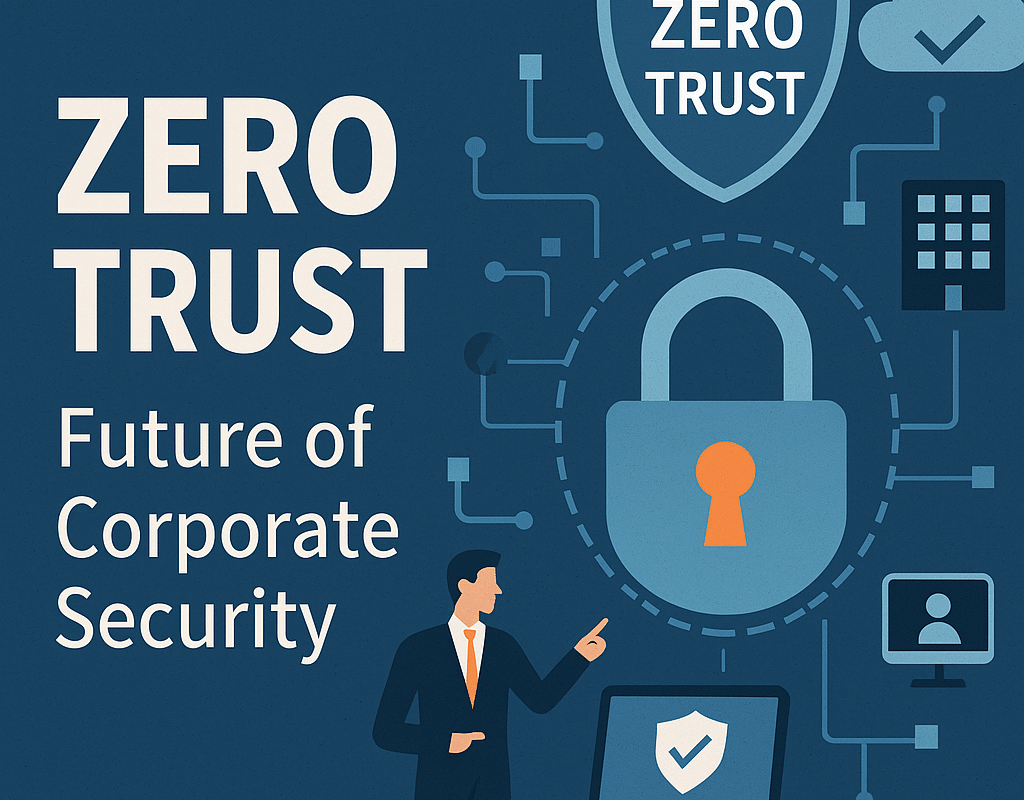
by Zero Trust Architecture: Future of Corporate Security
Zero Trust Architecture (ZTA) has shifted from buzzword to baseline for modern corporate security. In a world where users work from anywhere, threats lurk inside and outside the network, and data flows through countless apps and endpoints, the old approach just doesn’t hold up. Companies can’t rely on secure “perimeters” anymore. Zero Trust flips the mindset: never trust, always verify. Every user, device, and connection must prove itself—every time.
What Is Zero Trust Architecture and Why It Matters
Zero Trust Architecture is built on a few simple principles but delivers big results. Traditional security counted on hardened edges to keep threats out, like a castle wall protecting the data “inside.” But with cloud adoption, remote work, and more sophisticated hackers, the walls have all but disappeared.
Instead of assuming anything is safe by default, Zero Trust demands proof. Continuous authentication and least privilege access mean users and devices only get what they need—nothing more. These principles are detailed in the NIST Zero Trust Architecture framework.
Several recent trends make Zero Trust urgent:
- Remote work is now routine, stretching access far beyond office networks.
- Cyber threats are persistent, targeting employees, contractors, and supply chains.
- Compliance standards are tightening, making robust, auditable security a necessity.
- Cloud services scatter sensitive data, demanding new protection strategies.
Unlike the one-and-done approach of perimeter defenses, Zero Trust is a strategy, not a product, that aligns security to current risks, not yesterday’s assumptions.
Core Principles of Zero Trust
Zero Trust relies on four essential concepts:
- Identity verification: Every person and device must prove their identity before access is granted. No exceptions. This stops stolen passwords from giving hackers open doors.
- Least privilege access: Users and devices only get the minimum permissions needed. If attackers breach one account, the damage is limited.
- Micro-segmentation: Networks are divided into smaller zones. If a breach occurs, it stays contained—like watertight compartments on a ship.
- Continuous monitoring: Nothing is trusted forever. The system constantly checks for suspicious activity and removes access if danger shows up.
Together, these tactics combine to reduce risks and block attackers, whether they’re inside or outside the company.
The Shift from Traditional to Zero Trust Security
Perimeter-based security models were built for a different era. They trust everything inside the network, making it easy for attackers or malicious insiders who get past the “gate.” In contrast, Zero Trust treats all access—internal or external—with skepticism.
Hybrid work and cloud adoption have broken old security models. Now, employees, vendors, and devices connect from anywhere. Classic firewalls and VPNs can’t see or manage all these entry points. By segmenting networks and insisting on granular verification, Zero Trust pinches off the pathways that attackers use to move stealthily inside.
Big breaches often trace back to these gaps—a weak password, a neglected server, or an insider gone rogue. Zero Trust plugs those holes by making the default answer “no,” until the system validates who or what’s knocking.
Implementing Zero Trust: Benefits, Challenges, and Trends
Moving to a Zero Trust setup isn’t an overnight fix. It’s an upgrade to both technology and company culture. But the payoffs are clear: less risk, fewer breaches, easier compliance, and more flexibility for the business.
Strategic Steps for Adopting Zero Trust
Adopting Zero Trust calls for clear planning. Companies typically move through these steps:
- Map critical assets: Identify what’s most important to protect—data, applications, and services.
- Define the attack surface: Understand where threats might strike. This includes remote users, cloud workloads, and partner access.
- Segment networks: Use micro-segmentation and strong policies to limit connectivity between systems.
- Deploy required tools: Roll out Identity and Access Management (IAM), Multi-Factor Authentication (MFA), and robust endpoint security. According to experts at CrowdStrike, a strong Zero Trust implementation depends on these tools working together.
A phased approach, starting with high-risk areas, helps organizations see success early and learn before expanding.
Benefits for Corporate Security
Zero Trust sharply reduces attack surfaces:
- Limits lateral movement: Attackers can’t easily jump from system to system.
- Reduces breach impact: If hackers penetrate one area, they can’t access everything.
- Improves compliance: Audit trails and granular controls meet requirements for regulations such as GDPR and HIPAA.
- Fits remote and cloud-first work: Employees can safely connect from anywhere.
Major breaches often start with a single compromised device or credential. With Zero Trust, a stolen password or lost device no longer means open access to sensitive data.
Common Challenges and Solutions
Zero Trust adoption isn’t always smooth. Common obstacles include:
- Legacy technology: Older systems might not support strict access controls.
- Organizational resistance: Staff may fear change or assume Zero Trust will slow their work.
- Complex integration: New tools must work with existing infrastructure.
- Performance and cost: Careful planning ensures security layers don’t bog down productivity or break the budget.
Solutions:
- Start with executive support and clear communication.
- Phase rollout, focusing on high-value, high-risk zones first.
- Automate wherever possible to reduce the workload.
- Partner with vendors who have a proven Zero Trust roadmap, like Palo Alto Networks.
Emerging Trends and the Future of Zero Trust
Zero Trust is evolving fast. Here are a few trends shaping its future:
- Artificial Intelligence (AI): AI-driven tools spot threats quicker and automate routine tasks, making Zero Trust more responsive.
- Continuous automation: Policy enforcement and monitoring need less manual effort.
- New security solutions: Technologies like Remote Browser Isolation and Cloud Security Posture Management (CSPM) add new layers of defense.
- Regulatory shifts: More governments and industries are pushing for Zero Trust as a baseline, not a bonus.
According to market watchers, Zero Trust adoption is surging, fueled by cloud migration and ongoing threats. Companies that start now will be ready for future risks while staying ahead of compliance rules.
Conclusion
Zero Trust Architecture isn’t just another security tactic—it’s becoming the standard for every business serious about protecting its data and reputation. In a world with no clear boundaries, denying trust by default and requiring constant proof makes sense.
The move from perimeter defenses to Zero Trust may seem challenging, but the stakes are clear. Companies that act now will have stronger defenses and greater flexibility for the future.
Is your organization clinging to old security models? Now is the time to assess your risk, rethink your security posture, and take active steps toward Zero Trust. Failure to do so could leave critical data—and your business reputation—at risk.